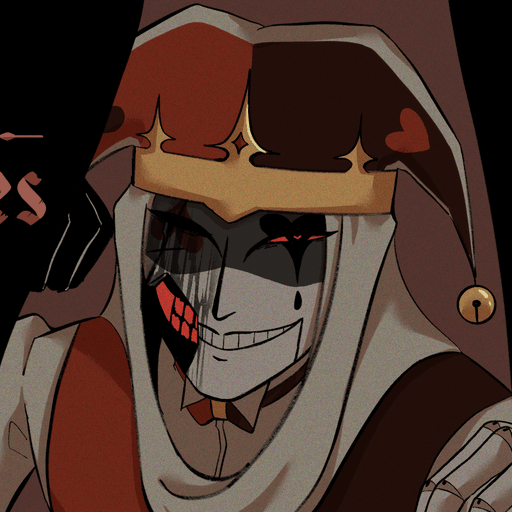
Kingdom of Marionettes Choices Guide
In Kingdom of Marionettes, your choices do more than move the story forward - they shape how characters react to you, how scenes feel, and which ending you ultimately reach.
If you are wondering what happens when you choose a specific option, this guide breaks down the most important decisions, how they affect the story, and what they can lead to.
Want to see all outcomes? View all endings. Want to try it yourself? Play Kingdom of Marionettes online.
Do Choices Matter in Kingdom of Marionettes?
Yes, choices play a central role in Kingdom of Marionettes. Unlike some visual novels where decisions only slightly alter dialogue, your responses here can influence tone, character behavior, and long-term outcomes.
The game often tracks emotional direction rather than obvious “right” or “wrong” answers. This means that consistent behavior matters - how you respond over time can shape the type of ending you receive.
How Choices Affect the Story
Choices in Kingdom of Marionettes affect the story in three main ways:
Character Behavior: Certain responses can make characters more distant, more intense, or more emotionally involved.
Scene Tone: The same scene can feel very different depending on your dialogue choices.
Ending Direction: Small decisions accumulate and push the story toward different outcomes.
Because of this system, there is rarely a single decision that determines everything. Instead, your overall approach shapes the result.
Key Choices and What Happens
What Happens If You Choose the Collar?
The collar choice is one of the most talked-about decisions in Kingdom of Marionettes. It often carries symbolic meaning and can influence how the relationship dynamic develops.
Depending on your approach:
- It may lead to a more intense or controlling interaction
- It can shift how certain characters respond to you later
- It may push the story toward a darker or more emotionally charged path
Because of its impact, many players replay this moment to test different outcomes.
What Happens If You Trust the Character?
Choosing to trust a character can lead to more intimate or emotionally open interactions. In some cases, this builds connection and leads toward more stable outcomes.
However, in a psychological horror setting, trust can also increase vulnerability. Depending on the situation, it may deepen the relationship or make later scenes more intense.
What Happens If You Keep Distance?
Keeping distance tends to create a more controlled and less emotionally volatile experience. Characters may respond with less intensity, and the overall tone can feel more stable.
This approach can help avoid certain darker outcomes, but it may also limit access to deeper or more revealing scenes.
What Happens If You Change Your Tone Frequently?
Inconsistent choices - such as switching between trust and resistance - can create unpredictable results. Characters may react with confusion, intensity, or instability.
This path often leads to more chaotic or emotionally uneven outcomes, which some players associate with darker endings.
Best Choices for Each Ending Direction
Choices for a More Positive Ending
If you are aiming for a more stable or positive outcome, focus on:
- Consistent and calm dialogue
- Avoiding sudden emotional shifts
- Responding thoughtfully rather than reactively
This approach generally leads to a more balanced relationship dynamic.
Choices for a Darker Ending
To reach a darker or more intense ending:
- Encourage emotional dependency
- Make reactive or impulsive decisions
- Ignore warning signs in dialogue
These choices can increase tension and push the story toward more unsettling outcomes.
Choices for Hidden or Alternative Outcomes
Hidden or less obvious endings often require:
- Trying uncommon dialogue options
- Replaying key scenes
- Paying attention to subtle changes in character behavior
Exploration and experimentation are essential for uncovering these paths.
Does Dialogue Really Change the Outcome?
Yes. Dialogue is one of the most important systems in Kingdom of Marionettes. Even small differences in tone - supportive, distant, hesitant, or direct - can influence how characters respond to you over time.
Because the game tracks emotional consistency, repeated patterns in your dialogue choices are often more important than any single decision.
How to Experiment with Different Choices
To fully explore Kingdom of Marionettes, replaying is essential. The game is designed to let you revisit key moments and try different approaches.
Tips for experimenting:
- Replay important scenes with opposite choices
- Focus on one consistent tone per playthrough
- Take note of how characters react differently
- Compare outcomes across multiple runs
This is the best way to understand how the choice system works.
Play and Test Your Choices
The fastest way to understand how choices affect the story is to try them yourself. Because the game is available in your browser, you can quickly replay scenes and explore different paths without needing to download anything.
Related Pages
Continue exploring Kingdom of Marionettes:
FAQ
Do choices really matter in Kingdom of Marionettes?
Yes. Choices affect character behavior, scene tone, and which ending you reach.
What is the most important choice in the game?
There is no single most important choice. The game tracks overall behavior and emotional consistency rather than one decision.
Does the collar choice change the ending?
The collar choice can influence the direction of the story and affect how characters respond, which may impact the ending.
Can you get different endings by replaying?
Yes. Replaying with different choices is the main way to unlock different endings.
Is there a best set of choices?
There is no single best path. Different choices lead to different experiences, and the preferred outcome depends on the player.
Do dialogue choices matter more than actions?
Dialogue choices are one of the main factors influencing outcomes, especially when they form consistent patterns over time.